Why Planning Matters More Than You Think
Route planning isn't just about picking a destination and riding there. For mature cyclists, it's the difference between having a great day and ending up exhausted at kilometer 15. We're not talking about complex logistics — just smart choices about distance, terrain, and rest stops.
The Ērgļi to Vecpiebalga heritage rail corridor is perfect for this kind of thinking. It's relatively flat, well-maintained, and you've got options. You don't have to commit to the full 42 kilometers if that's not your speed. That flexibility is exactly what makes it work for different fitness levels.
The key insight: choose your route based on your current fitness, not the route you think you "should" be able to do. It's the fastest way to build confidence and actually enjoy riding.
Understanding Your Distance Options
Most people underestimate how distance affects their experience. A 15-kilometer ride doesn't just feel half as hard as 30 kilometers — it feels totally different. You're less fatigued, you recover faster, and you're more likely to want to ride again next week.
We've mapped three variations of the Ērgļi route that we've tested with cyclists aged 60+. Here's what we found works:
- Short Loop (12 km) — Ērgļi to Vizbūļi and back. Doable in 90 minutes with a steady pace. Good for building a routine.
- Medium Loop (24 km) — Full ride to Cēsis area with rest stop. Takes about 3 hours including a break. Most popular choice.
- Extended Route (42 km) — Complete corridor to Vecpiebalga. Full day commitment with multiple rest opportunities.
What the Terrain Actually Feels Like
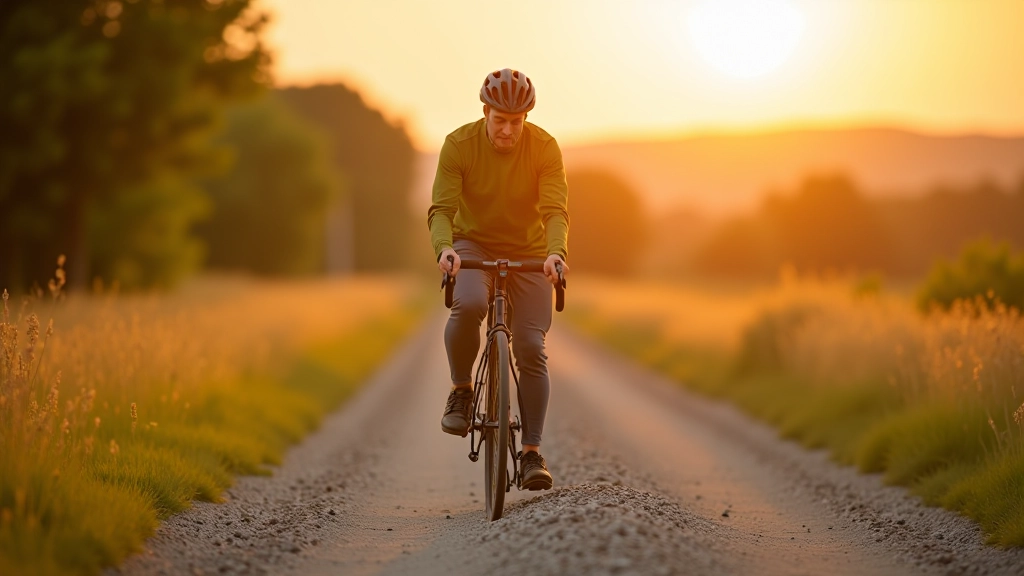
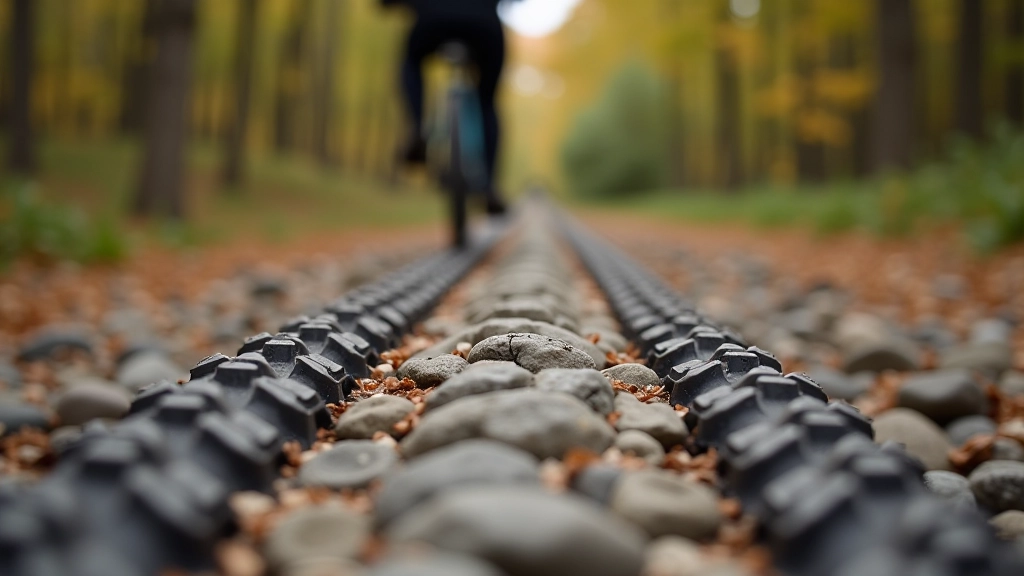
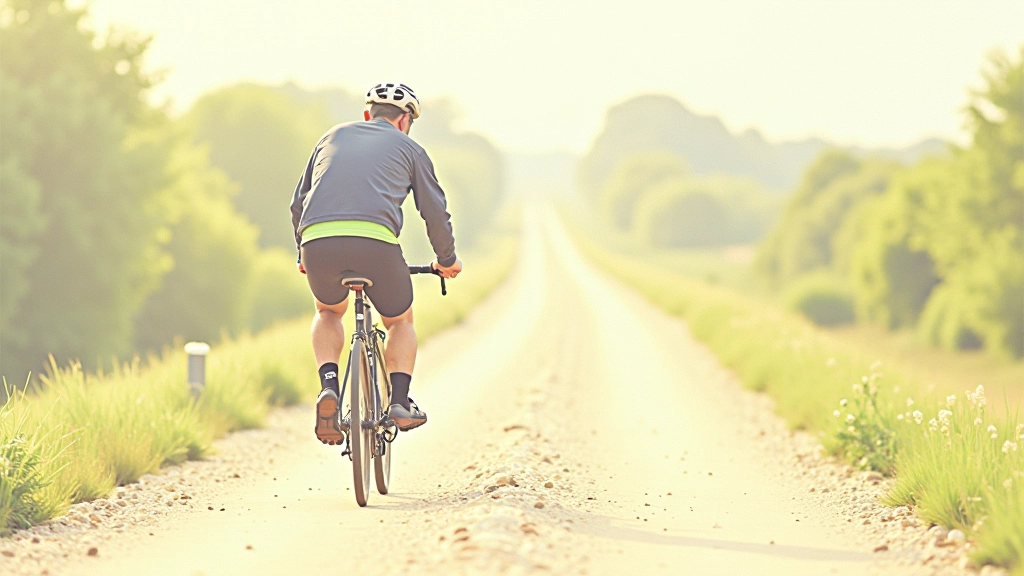
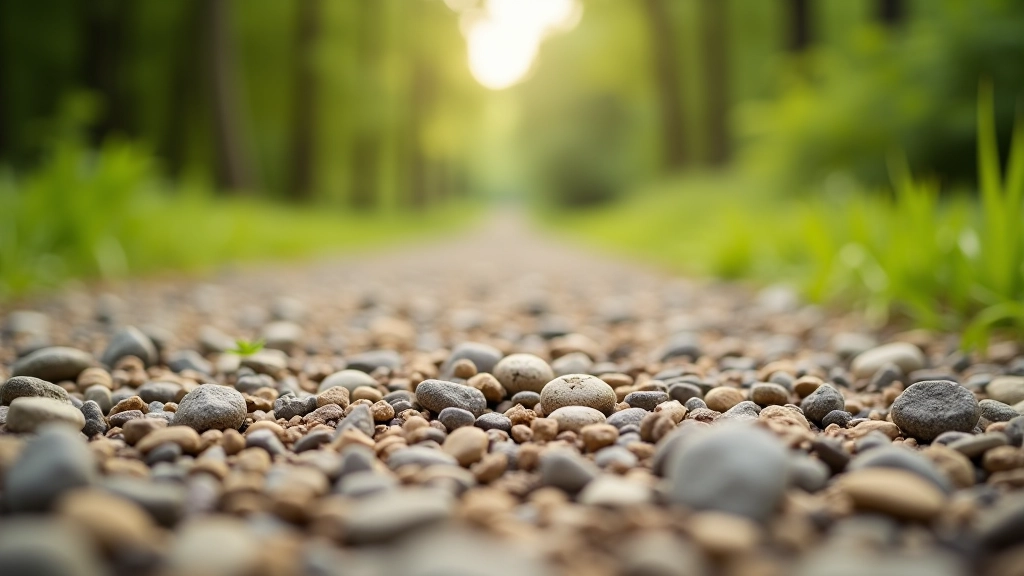
The heritage rail corridor isn't a paved path, but it's not technical either. You're looking at packed gravel — the kind that's been maintained for years. Your tires sink maybe 2-3 centimeters into the surface, which is totally manageable on a decent gravel bike.
Here's what matters: the surface is consistent. You won't hit sudden rocks or ruts that throw you off balance. That's crucial for confidence. The only real challenge is wind exposure — there aren't many trees along the old rail line, so you'll feel crosswinds, especially in the exposed sections between Vizbūļi and Cēsis.
Terrain tip: Tire pressure matters. We recommend 55-65 psi for this route — firm enough to roll fast but soft enough to absorb the gravel texture. Too hard and you'll feel every bump.
Planning Your Rest Points
This is where most people mess up. They wait until they're exhausted to stop. Instead, plan stops before you need them. For the 24-kilometer medium route, you want a break around the 12-kilometer mark — at Cēsis area. It's the perfect halfway point, and you'll actually feel stronger for the return ride instead of grinding through the last half.
1
Start from Ērgļi
Park near the station. There's a small café if you want coffee before starting, but honestly the ride's easier if you've had breakfast 30 minutes prior.
2
12km Mark: Cēsis Area
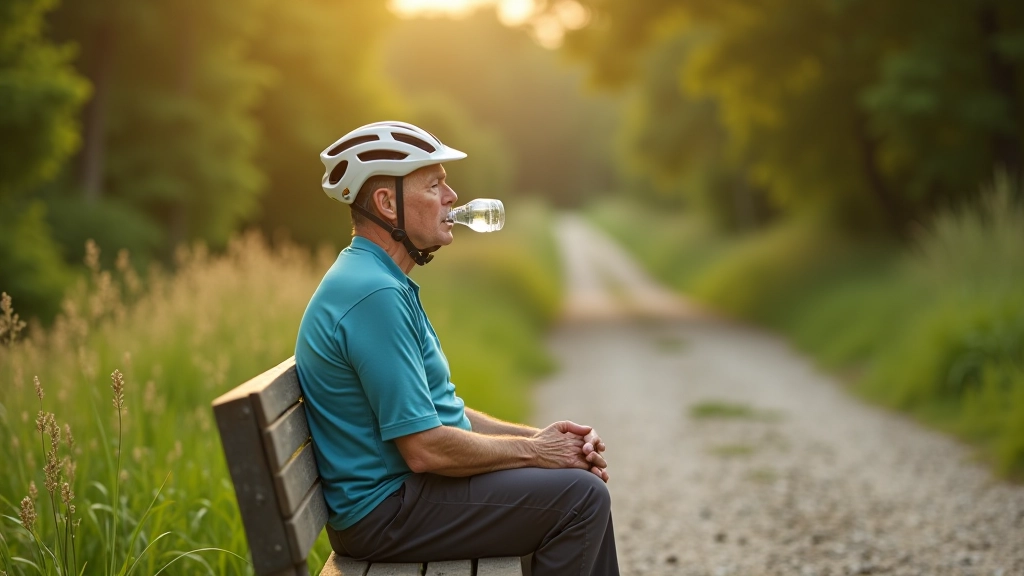
Stop here for 20-30 minutes. Eat something real — not just a gel. A banana, some nuts, a sandwich. Hydrate properly. You'll need this energy for the return leg.
3
Final Stretch Back
Once you're rested and fed, the ride back feels totally different. You're powered up, mentally fresh, and the return route feels easier because you know what to expect.
The extended 42-kilometer route needs more strategic planning. You're looking at rest stops every 12-15 kilometers. Plan them around villages or landmarks so you're not just sitting by the roadside. Vizbūļi, Cēsis, and Vecpiebalga all have places to grab water and snacks.
Preparation Steps That Actually Make a Difference
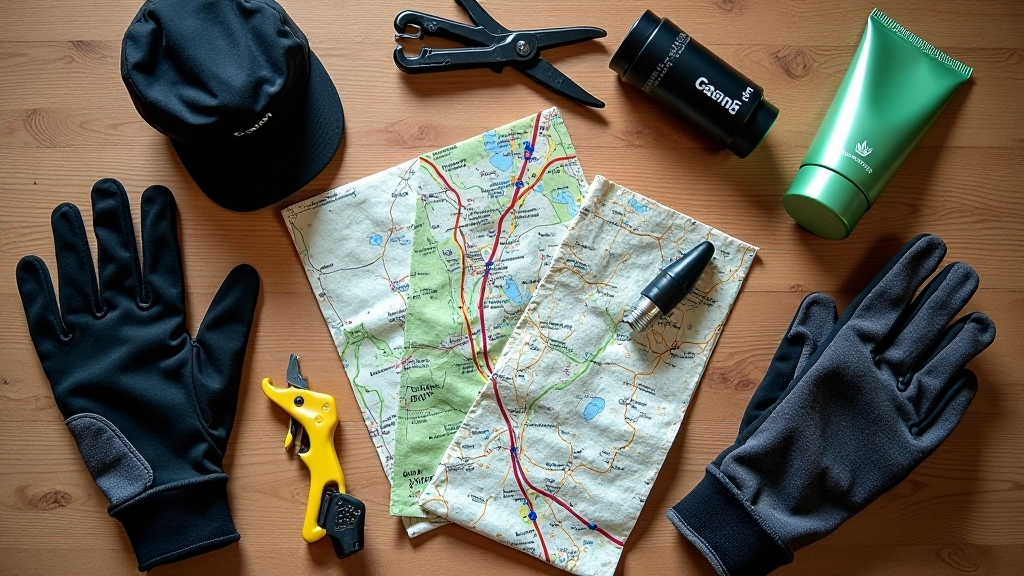
Don't overthink this. You're not preparing for a race. You're preparing to have a good time on your bike. That means a few practical things: know your distance, test your bike beforehand, and bring the right gear.
Check your bike a week before. Tire pressure, brakes, chain lubrication. Nothing fancy. If you haven't ridden in a while, do a short 5-kilometer ride first to feel how your body responds. You'll learn a lot about your pace and endurance from that short test ride.
Weather planning matters too. Wind direction and rain change everything. A 24-kilometer ride with a strong headwind feels very different from one with wind at your back. Check forecasts and don't be stubborn about postponing if the wind's really bad.
The Bottom Line
Route planning for seniors isn't complicated. It's just intentional. Pick a distance that matches where you're at right now. Plan your rest stops before you need them. Prepare your bike and yourself. That's it.
The Ērgļi to Vecpiebalga route is forgiving enough to let you experiment. Start with the 12-kilometer loop if you're new to this. Build confidence. Then try the 24-kilometer version. If you love it, the extended 42-kilometer route becomes possible. The point isn't to rush into the longest ride — it's to build a habit you actually enjoy.
We've seen cyclists discover that they're capable of way more than they thought. Not because they suddenly got fit, but because they planned properly and set themselves up for success. That's the real benefit of thinking through your route before you ride.
Ready to Explore the Route?
Check out our detailed gear checklist and nutrition guide for long rides to make sure you're fully prepared.
View Essential Gear ChecklistImportant Disclaimer
This guide is informational and educational. Route conditions, weather, and terrain can change seasonally. Always assess your current fitness level honestly before attempting any route. Consult with your doctor before starting a new cycling program, especially if you have existing health conditions. Weather and trail conditions vary — check local conditions before riding. We're not liable for accidents or injuries that occur while using these routes.