Hydration and Nutrition on Long Rides
You don't need expensive gels or powders. Real food works better. Here's what experienced riders bring for a six-hour route like this one.
Why Food Matters on the Rails
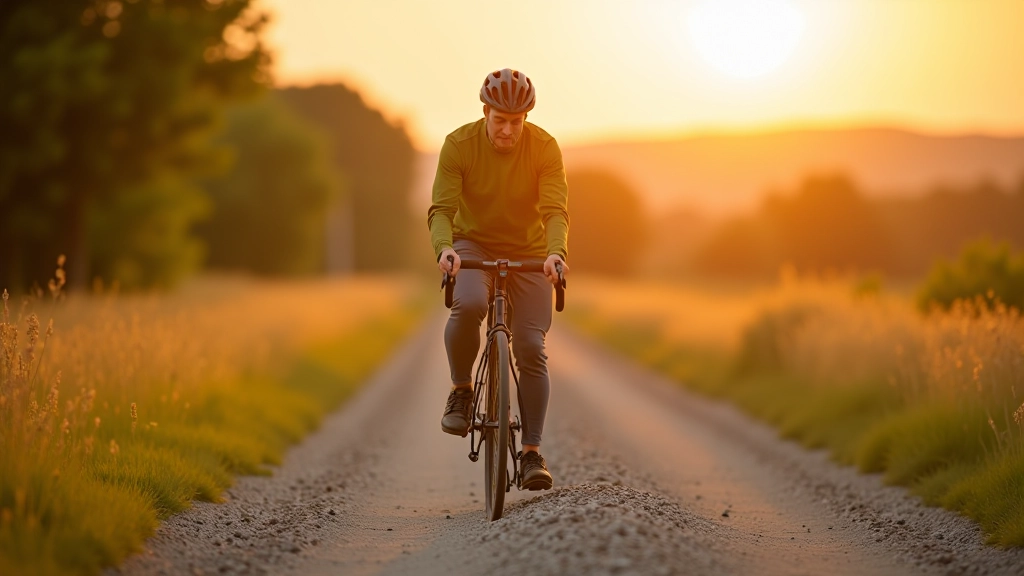
Six hours on a gravel route takes real energy. Most people think they need special sports drinks and energy bars. That's not how it works. Your body wants familiar food — the stuff you eat at home.
Here's the deal: on a long ride, you're burning about 400-500 calories per hour depending on terrain and your pace. But your stomach can only process about 200-300 calories per hour while you're pedaling hard. So you can't eat enough to replace everything you burn. What you're really doing is topping up your tank enough to finish strong.
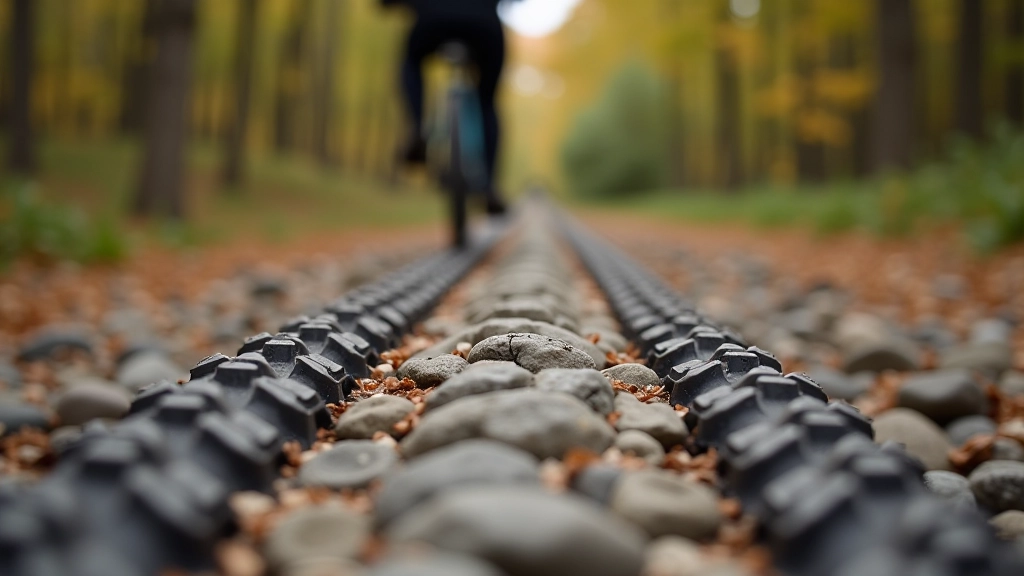
The Ērgļi to Vecpiebalga route climbs maybe 200 meters total across six hours. It's steady, not brutal. You'll have time to eat and drink properly at rest stops. The flattest section runs through the old rail corridor itself — perfect for fueling up without fighting a steep climb.
The Basic Math
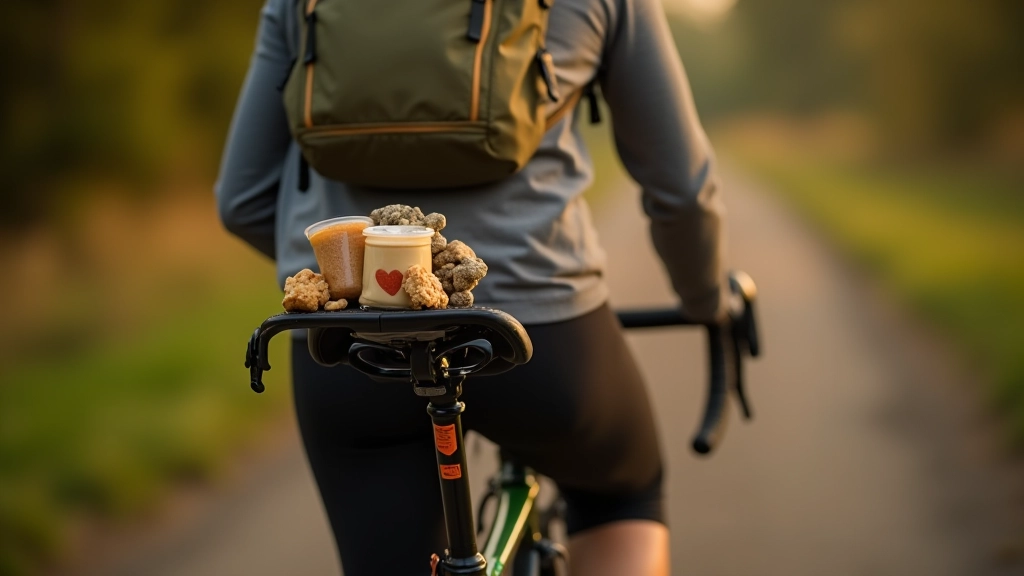
Start with 500-750ml of water for the first hour, then 200-300ml every 20-30 minutes after that. On a six-hour ride, you'll drink 2-2.5 liters total. Carry it in a bottle cage or hydration pack — your choice. We've ridden with both. A good backpack keeps weight centered and leaves your hands free for braking.
What Actually Works
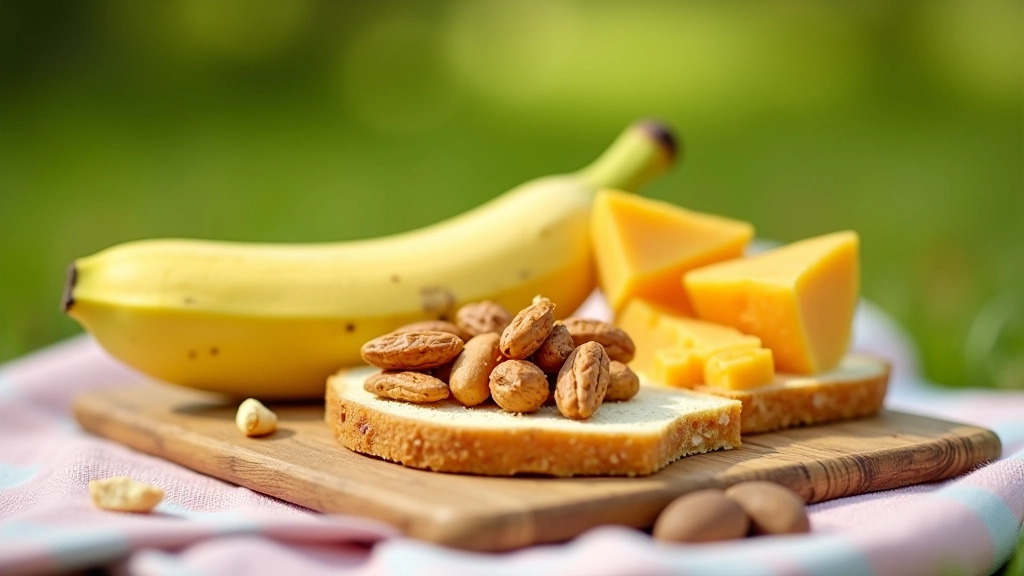
Forget the special stuff. A banana with peanut butter works. So does a sandwich — nothing fancy, just bread and cheese. A handful of nuts keeps you stable. Dried fruit gives you quick energy when you need it. These are foods your body recognizes. Your stomach won't rebel.
- Bananas — cheap, portable, loaded with potassium. Eat one every 90 minutes.
- Whole grain bread — pairs with cheese or peanut butter. Fills you up properly.
- Cheese or hard salami — doesn't spoil in your jersey pocket, gives you salt and protein.
- Almonds or walnuts — small handful every hour keeps energy steady.
- Dried apricots or raisins — quick carbs when you hit a climb and your legs feel heavy.
We've tested this on dozens of rides. People who bring real food finish better than people carrying gels and sports bars. Your digestive system is tuned for actual food.
A Note on Individual Needs
Everyone's stomach is different. What works for one rider won't work for another. If you've got food sensitivities or dietary restrictions, test your fuel on shorter rides first. Don't try anything new on a six-hour route. And if you have medical conditions affecting digestion or hydration, talk to your doctor before a long ride.
The Timing That Actually Matters
Don't wait until you're hungry to eat. You'll be hungry around hour three. By then you're already low on energy. Start eating at the 45-minute mark. Just a banana. Drink water every 20 minutes from the start.
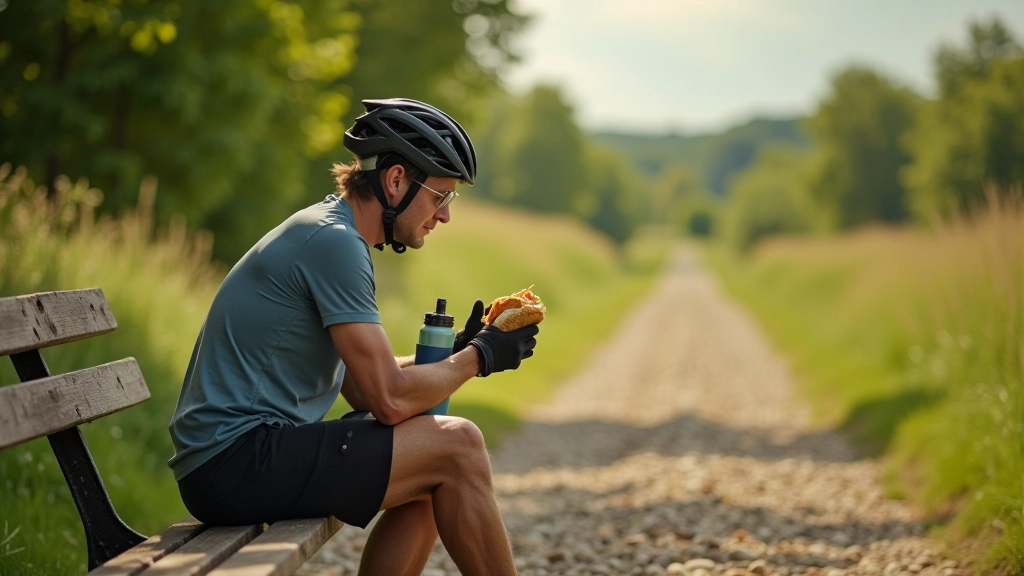
The Ērgļi to Vecpiebalga route has a few natural stopping points. There's a shelter at the 2.5-hour mark — perfect for a proper food break. Sit down for 10 minutes, eat a sandwich, drink a full bottle of water. You'll roll out feeling solid for the second half.
Most people hit a wall around hour four. That's when your glycogen stores start running dry. This is where that discipline pays off. You've been eating regularly, so you won't hit it hard. You'll just notice the pace gets tougher. That's normal.
Water Isn't Optional
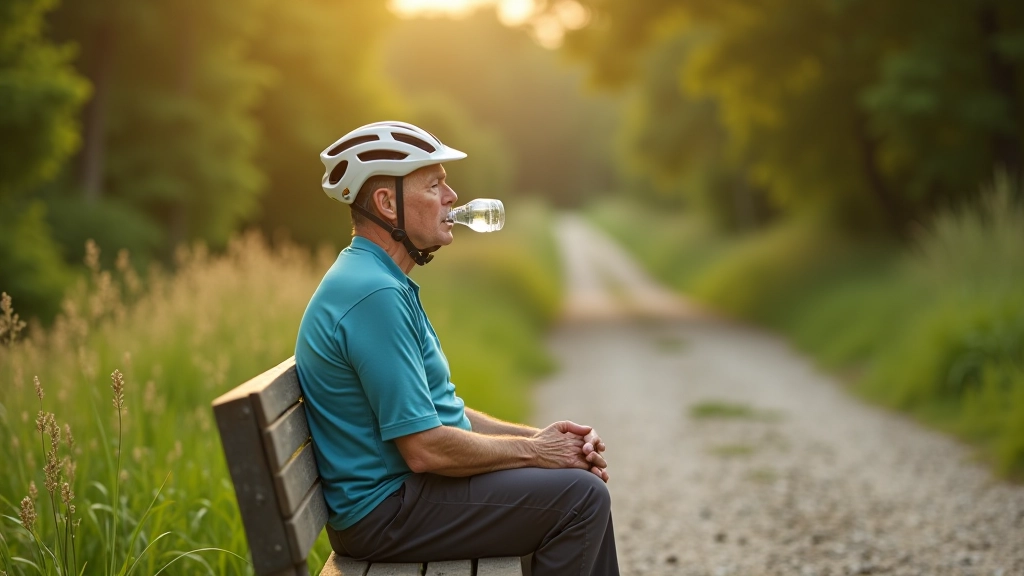
You'll sweat more than you think. Even on a cool day, pedaling for six hours adds up. Dehydration makes you tired, slows your thinking, and ruins your ride. It's not dramatic — you just feel sluggish and heavy.
Pro tip: Drink before you're thirsty. Thirst is a late signal. By the time you're thirsty, you're already slightly dehydrated. Sip water every 20 minutes. Small amounts work better than big gulps.
A standard water bottle holds 750ml. On a six-hour ride, you'll want two bottles or a hydration pack with 1.5-2 liters capacity. The rail corridor doesn't have water sources for long stretches. Plan accordingly. There's a cafe at Vecpiebalga if you're completely dry at the end.
The Short Version
1
Drink water consistently
200-300ml every 20 minutes. Start early, don't wait for thirst.
2
Eat real food
Bananas, sandwiches, cheese, nuts. Familiar stuff your stomach handles well.
3
Eat before hungry
Start at 45 minutes. Take a proper break at 2.5 hours. Keep eating through hour four.
4
Test first
Try your fuel on a 2-3 hour ride before committing to six hours.

Related Articles