
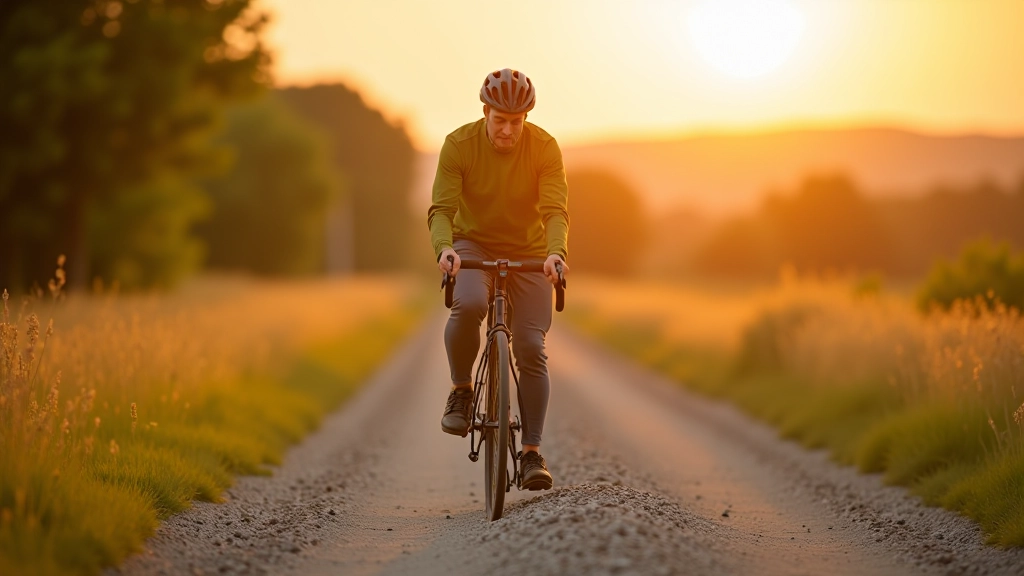
Choosing the Right Gravel Bike for Comfort
Frame geometry, tire width, and suspension matter more than you'd think. This route isn't technical, so comfort matters more than speed.
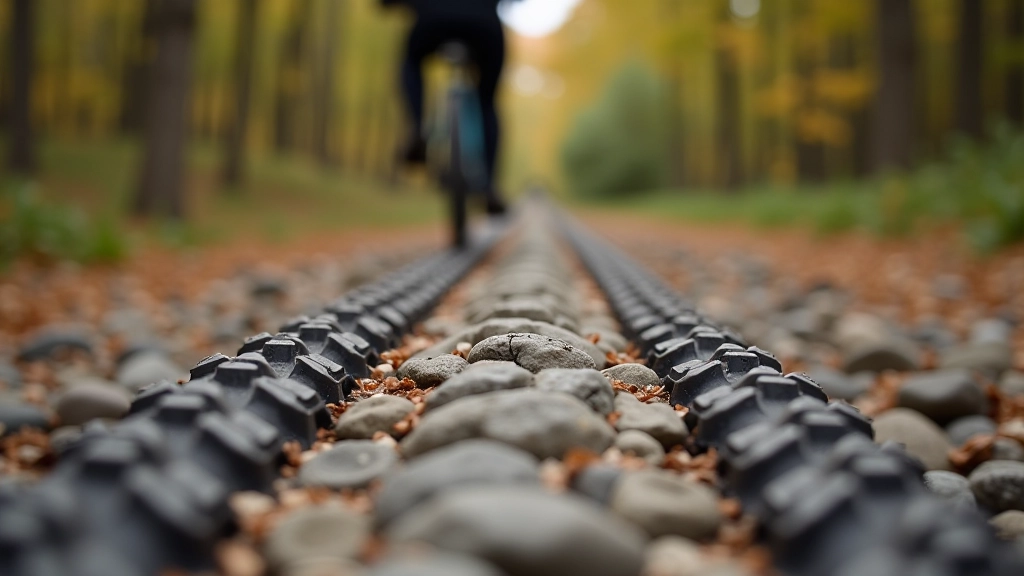
Why Comfort Beats Speed on the Rails
The Ērgļi to Vecpiebalga route is roughly 28 kilometers of mostly flat terrain on a well-maintained gravel surface. You're not racing here. You're taking in heritage, enjoying the countryside, and coming home without aching wrists or a sore lower back.
That's why your bike choice matters. A racing-focused frame geometry designed for aggressive riding will leave you uncomfortable after a couple hours. The right gravel bike — one built with a more relaxed stance and forgiving components — makes the difference between a great day out and a painful experience you won't want to repeat.
Frame Geometry Matters
Reach, stack, and seat tube angle determine your riding position. A more upright position reduces strain on your shoulders and neck.
Tire Width is Everything
Wider tires (45-50mm) absorb bumps better and roll more smoothly over loose gravel than narrow ones.
Suspension Helps
Front suspension or a suspension seatpost can significantly reduce vibration fatigue on longer rides.
Understanding Frame Geometry
Your bike's geometry is basically the angles and distances that determine how you sit on it. There's three key measurements you should understand.
Reach is the horizontal distance from the seat tube to the handlebars. A longer reach puts you in a stretched-out position — great for speed, rough on your shoulders. For comfort riding, you'll want moderate reach so you're not reaching too far forward.
Stack is the vertical distance from the bottom bracket to the top of the headtube. Higher stack means you sit more upright, which is easier on your back and neck. Most gravel bikes marketed for comfort have stack measurements in the 580-610mm range for a medium frame.
Seat tube angle is the angle of the seat tube relative to the ground. Steeper angles (around 73-74°) keep you more centered over the pedals. Slacker angles (around 71-72°) put your weight further back, which can feel more stable on loose terrain but less efficient on the pedal stroke. For the flat rails route, anywhere in the 72-74° range works fine.
Don't obsess over these numbers in isolation. What matters is how the complete geometry feels when you actually sit on the bike. If you're between sizes, the smaller frame usually feels snappier, the larger one more comfortable for long distances.
Tires and Suspension: The Real Comfort Drivers
You'll feel tire width differences immediately. A 35mm tire — common on older road bikes or pure racing gravel bikes — transmits every pebble and rut directly to your hands and posterior. Not pleasant.
A 45-50mm tire is what you want here. The wider casing absorbs small impacts, rolls smoother over loose gravel, and you can run lower pressure without pinch flats. On the Ērgļi route's relatively smooth surface, we'd recommend 35-40 psi for tires in that width. You'll feel the difference in vibration reduction after the first 5 kilometers.
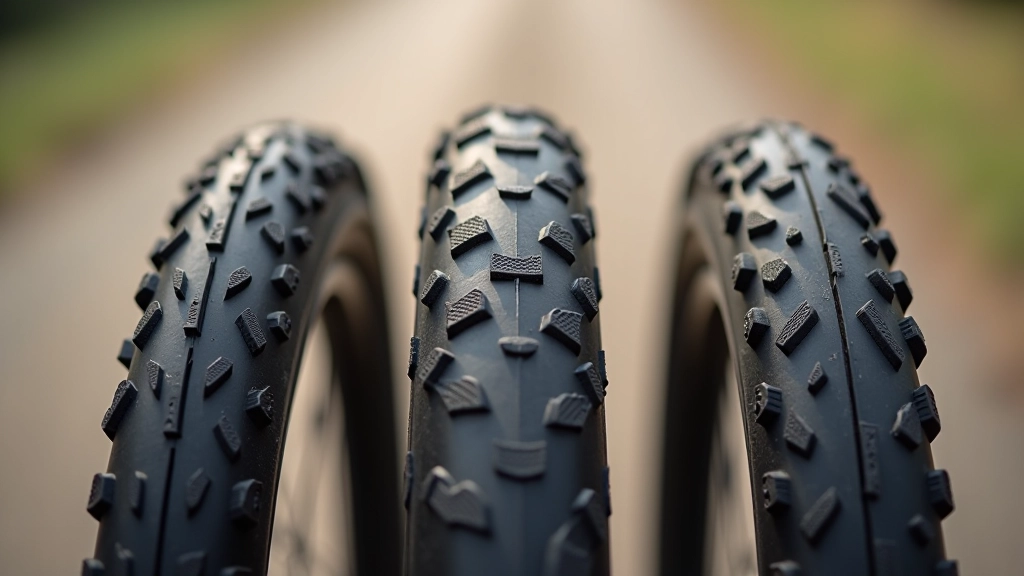
Tire tread matters too, but not for grip on that route. A moderate, open tread design (like Schwalbe G-One, Continental Terra, or Kenda Small Block Eight) works perfectly. The open spacing prevents mud buildup and rolls efficiently on packed gravel.
Front suspension forks have become standard on comfort-oriented gravel bikes. A 40-50mm travel fork smooths out vibration without adding weight or complexity. If you're doing longer days (over 3 hours), the cumulative fatigue reduction from suspension is worth the slight performance tradeoff.
A suspension seatpost is another option if your bike doesn't have a suspension fork. These aren't magic, but they do take the edge off jarring impacts, especially noticeable on longer rides.
Components and Fit Matter as Much as the Frame
A comfortable gravel bike needs the right components too. Here's what we look for:
Handlebars
Wider bars (46-50cm) with a moderate rise give you stability and multiple hand positions. Flared drops are becoming standard on comfort gravel bikes — they widen at the bottom for better control without sacrificing aerodynamics.
Seat
Don't underestimate the saddle. A wider, more padded saddle designed for upright riding (not racing) makes huge difference. Spend time finding one that works for your anatomy. Brands like Selle Royal, Brooks, and Specialized all make comfort-focused options.
Drivetrain
You don't need cutting-edge groupsets. A reliable 1x or 2x drivetrain with a good range of gears keeps you from struggling on climbs. The route has minimal elevation, but having an easy gear (around 30 inches or lower) takes pressure off your knees.
Brakes
Disc brakes are nearly universal now. Make sure they're properly bled and set up so you don't have to squeeze hard. Hydraulic discs require less effort and feel more controlled.
About This Guide
This article is informational and based on practical experience with gravel cycling on heritage rail routes. Every rider's needs are different — body geometry, flexibility, previous injuries, and riding style all affect what feels comfortable. We recommend test-riding multiple bikes before committing, and consider visiting a local bike shop where you can get a professional fit. Individual results vary.


Ready to Explore the Route?
Start with the route planning guide to pick your distance and difficulty level, then use this bike selection guide to prepare.
Read Route Planning Guide