Essential Gear Checklist for Historic Rail Routes
You won't find shops out there. Carry tools, first aid, and spare parts. We've built a practical list based on what actually happens on this route.
Before You Head Out
The Ērgļi to Vecpiebalga route is stunning. It's also remote. Between the historic rail bed and the surrounding countryside, you're looking at stretches without cell service, repair shops, or water stations. That's not meant to scare you — it's meant to prepare you.
Most riders who run into trouble didn't bring the right gear. A broken chain, a flat tire, or dehydration can turn a great day into a rough one. We've documented what actually gets used on this route, and we've built this checklist from real experiences — not just generic cycling advice.
The Real Deal
This isn't a 47-item list. We've cut it down to what you'll actually need. Some gear stays in your backpack unused. Some saves your ride.
Repair Tools & Spares
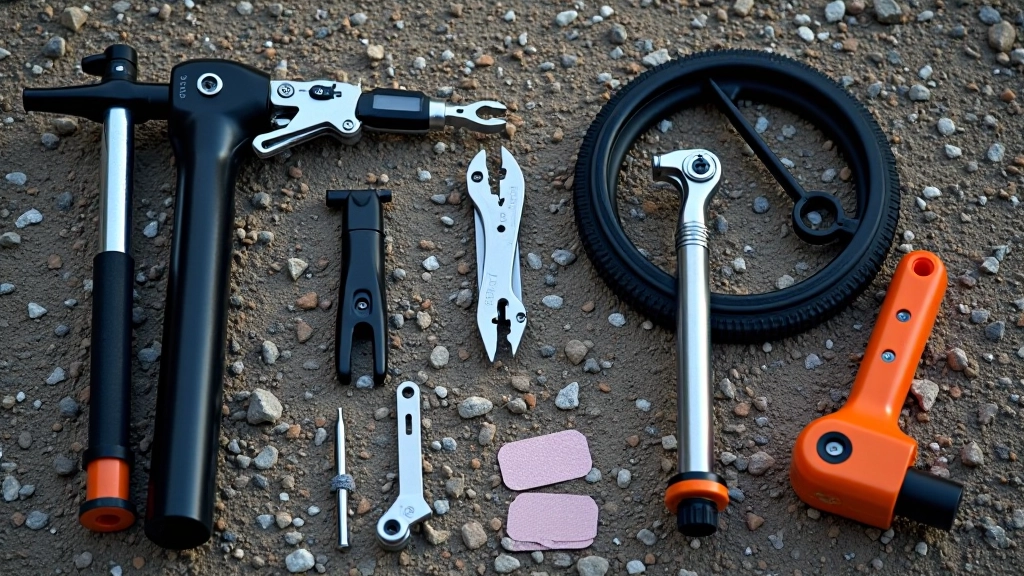
A flat tire out here isn't a minor inconvenience. It's a 5-kilometer walk back or a long wait for help. Your repair kit needs to be compact but complete. You're not fixing everything — you're getting back to civilization.
Multi-tool
A compact 6-8 function tool weighing under 200g. Pliers, screwdrivers, and an Allen key set. The Topeak Alien or similar works well.
Tire Levers & Patches
Two plastic tire levers (never metal — they damage rims) and at least 6 adhesive patches. A complete puncture repair kit weighs 80-120g total.
Spare Inner Tube
One complete spare tube (same size as your tires). Patches work, but a fresh tube is faster. Weight: 50-70g depending on valve type.
Hand Pump or CO₂ Cartridges
A compact hand pump is reliable but slower. Two CO₂ cartridges (16g each) inflate faster but are single-use. We'd recommend the pump for longer routes — you might get two flats.
Chain Links & Quick Link
Carry 2-3 spare chain links and a quick link (master link) compatible with your chain. A broken chain is rare but catastrophic. Weight: negligible.
First Aid & Sun Protection
You're exposed out here. The sun reflects off the gravel, and you're moving slowly enough that it really gets you. Combine that with minor cuts from falls or branches, and you need more than just a bandage.
Sunscreen (SPF 50+)
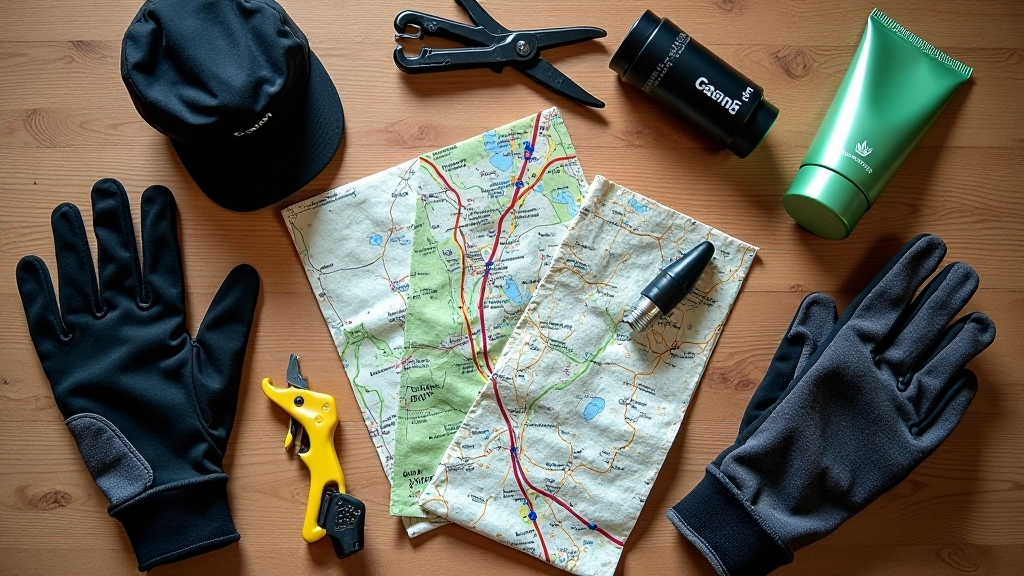
A small 50ml tube. Reapply every 2 hours. This route has long stretches with zero shade, especially in summer.
Blister Treatment
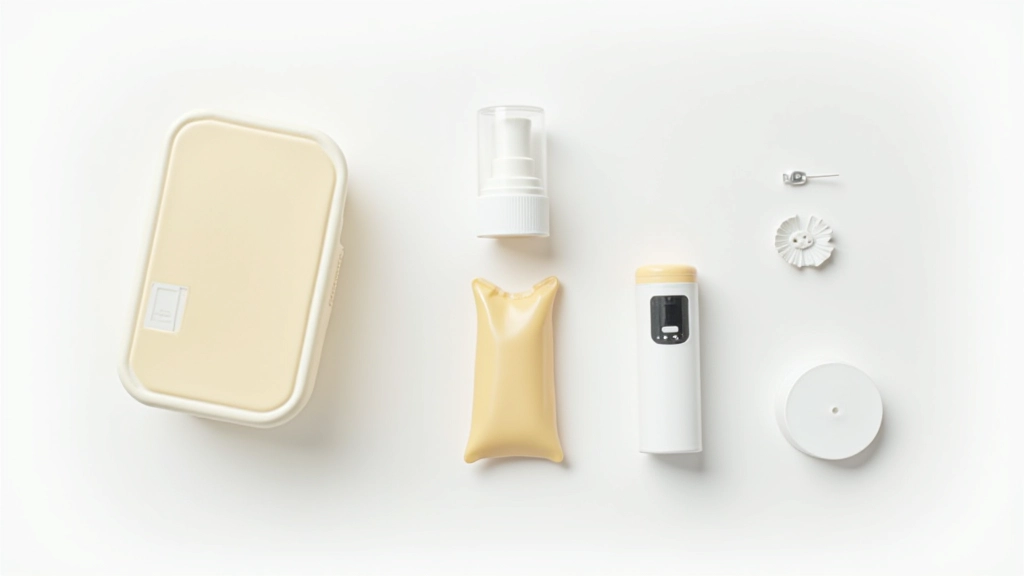
Blister pads or liquid bandage. A blister at kilometer 40 can make the remaining 20 miserable. Treat it early.
Antibiotic Ointment & Gauze
Small packets (you won't use much). Gravel can be dirty — infection risk is real with road rash.
Pain Reliever & Antihistamine
A few ibuprofen tablets and an antihistamine for insect reactions. Weight: under 5g for the whole package.
Critical: Water & Nutrition
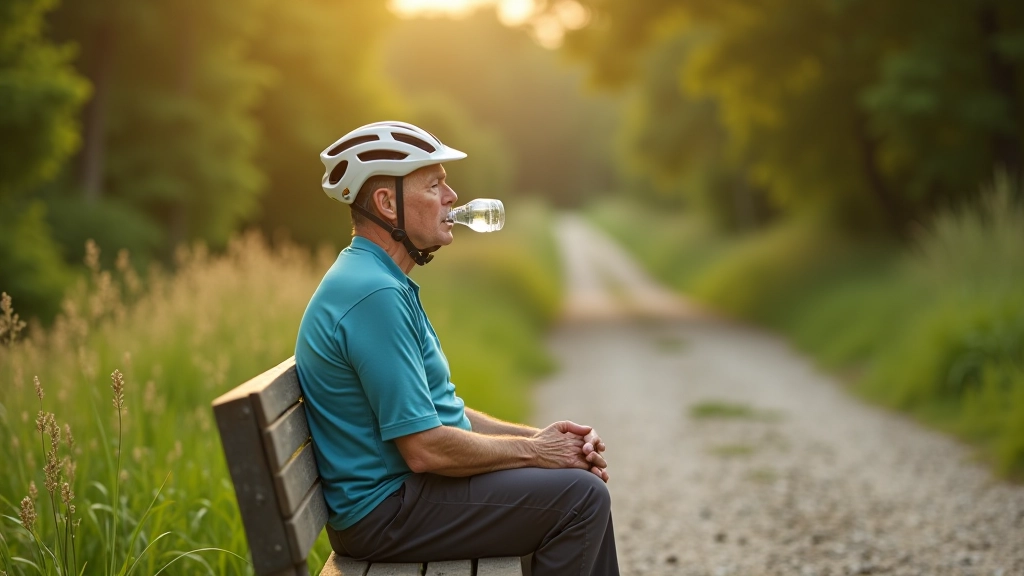
This route is 60 kilometers with limited water sources. Dehydration happens faster than you'd expect, especially for riders over 50. Bring more water than you think you'll need. We mean it — an extra liter adds negligible weight but prevents serious problems.
What to Carry for Fuel & Hydration
Water Bottles
Two 750ml bottles minimum (1.5L total). Fill both at the start. There's a water source at kilometer 30 near Vecpiebalga, but don't count on it being accessible or clean. Electrolyte tablets are optional but useful for rides over 2 hours.
Real Food Works Best
Forget expensive gels. Bring a banana, energy bar, or peanut butter sandwich. Eat small amounts every 30-45 minutes. Your stomach will thank you, and it's cheaper. Total: 200-300 calories for the route.
Quick Energy
One energy bar or pack of gummies as backup. Something with sugar that absorbs fast. This is for if you bonk (hit the wall). Prevention through regular eating is better, but backup counts.
The Essentials Checklist
Here's what fits in a small backpack. Weight: 2-3 kilograms depending on water. Not heavy, and you won't miss it.
Safety & Navigation
- Helmet (non-negotiable)
- Printed map (GPS dies; paper doesn't)
- Headlight & taillight (route gets dark)
- ID & insurance card
- Phone (charged) with offline maps
Comfort & Clothing
- Padded shorts (non-negotiable)
- Chamois cream (prevents chafing)
- Cycling gloves (for falls & grip)
- Light jacket (weather changes fast)
- Sunglasses (gravel dust)

The Bottom Line
You don't need expensive gear. You need functional gear. A puncture repair kit, water, sunscreen, and a map have prevented or solved almost every issue we've documented on this route. Everything else is comfort or backup.
Pack light. Carry the essentials. Enjoy the route. The Ērgļi to Vecpiebalga corridor is one of Latvia's best kept cycling secrets — don't let forgotten gear ruin the experience. It's remote enough to be peaceful. It's close enough to get home if something goes wrong. That balance is what makes it special.
Want more detailed guidance on planning this route?
Read the Route Planning GuideMore Resources for This Route